
Children’s Cavities Ottawa
BluSky Dental Richardson

A cavity in a child needs a plan that fits the tooth, the child's age and their ability to manage treatment. Baby teeth matter too: decay can cause pain and infection before a tooth is ready to fall out naturally.
At BluSky Dental Richardson, bring your concerns early, whether you have noticed a mark, a change in eating or a problem at a previous checkup. The aim is to understand the damage and help your child manage the next step.
Recognizing Children’s Cavities in Ottawa
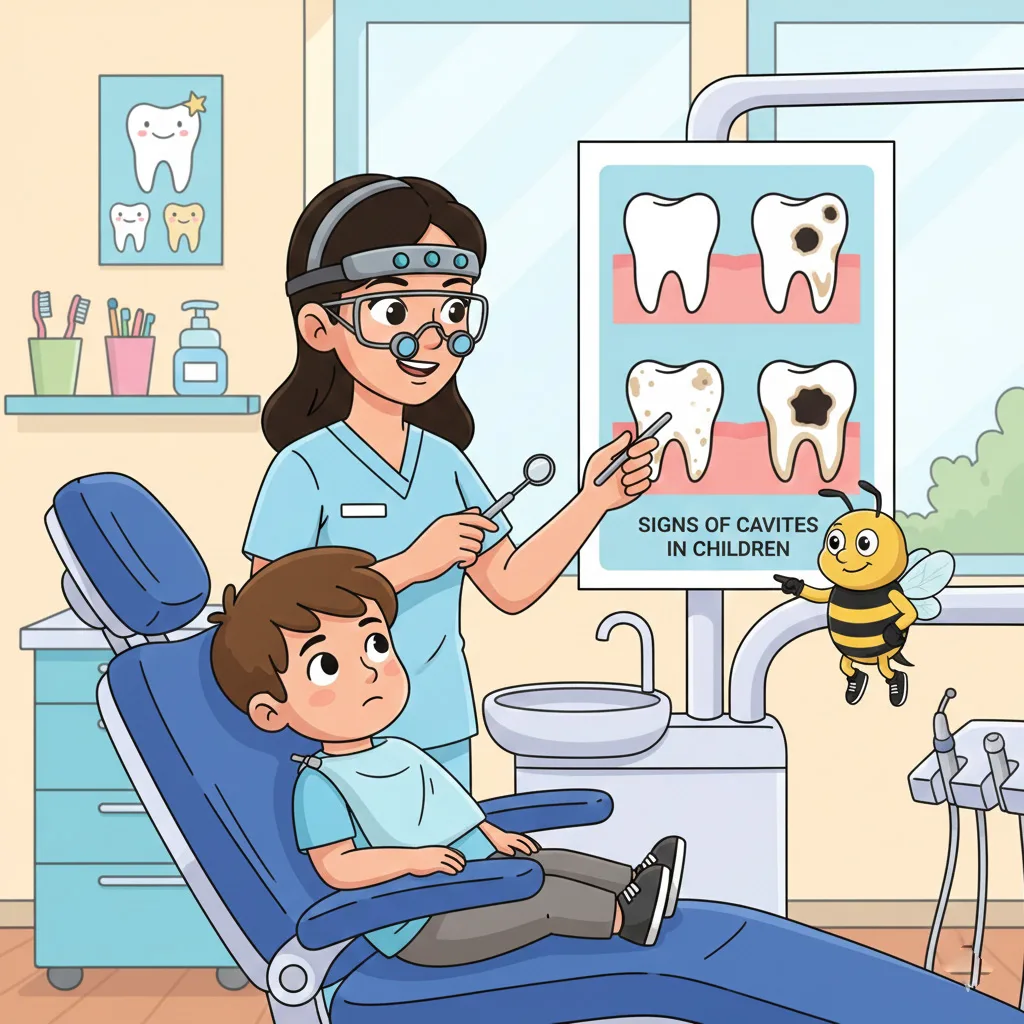
Decay can develop without pain. A child may have a visible defect, sensitivity or food catching, but these signs do not establish how deep a problem is. Sometimes the first indication is avoiding a food or chewing on one side.
If there is swelling, fever, facial puffiness or a child who seems unwell with dental pain, seek prompt advice. Breathing or swallowing difficulty is an emergency.
Do not wait for a baby tooth to loosen naturally when it is causing symptoms.
How the Assessment Guides Care
The dentist checks whether the affected tooth is primary or permanent, the extent of decay and the condition of the internal tissue. The expected time the tooth needs to remain in place is also relevant.
Early changes may be managed with prevention and monitoring. A cavity with lost structure may need restoration, while deeper disease can require additional treatment. The approach should be explained for the individual tooth rather than a standard response to every dark mark.
For the repair itself, read about dental fillings. More complex decisions should include the outlook for the tooth and alternatives.
Help Your Child Prepare
Explain the visit simply and avoid promising that nothing will happen or that no sensation is possible. Tell the team about anxiety, communication needs or a difficult earlier appointment.
Ask how the procedure will be explained and which comfort measures are appropriate. Sedation is not an automatic answer to a cavity or an anxious child; it requires its own assessment and consent.
Our children's dental anxiety guide offers ways to prepare without putting pressure on your child to perform.
Build a Prevention Routine
Help with brushing and use fluoride toothpaste in the amount appropriate for your child's age. Ask the dental team to show how to reach the back teeth and clean between teeth that touch.
Discuss frequent snacks, drinks and bedtime feeding patterns without blame. The pattern of exposure matters, and small practical changes are easier to maintain than an unrealistic overhaul.
Sealants and fluoride treatment may be considered according to risk and tooth development. Neither replaces daily cleaning.
Keep the Child’s Development in View
Ask which tooth is affected and how long it is expected to remain. A primary tooth nearing normal loss and a newly erupted permanent tooth raise different planning questions.
If removal is considered, the dentist should explain whether it affects space or later development and whether further review is needed. The decision should follow the child's findings, not simply the fact that the tooth is temporary.
After Treatment
Keep the review and ask whether the prevention plan needs changing. Treating one cavity does not remove the factors that led to it.
If your child continues to avoid eating or has new discomfort, contact the clinic. Book a Visit to discuss a concern or review their changing dental needs.
Talk with the Richardson team
Tell us what you would like help with and ask about your next visit.
Call: (613) 829-5921
Address: 510 Richardson Ave, Ottawa, ON K2B 5H1