Pregnancy and Oral Health Ottawa
BluSky Dental Richardson

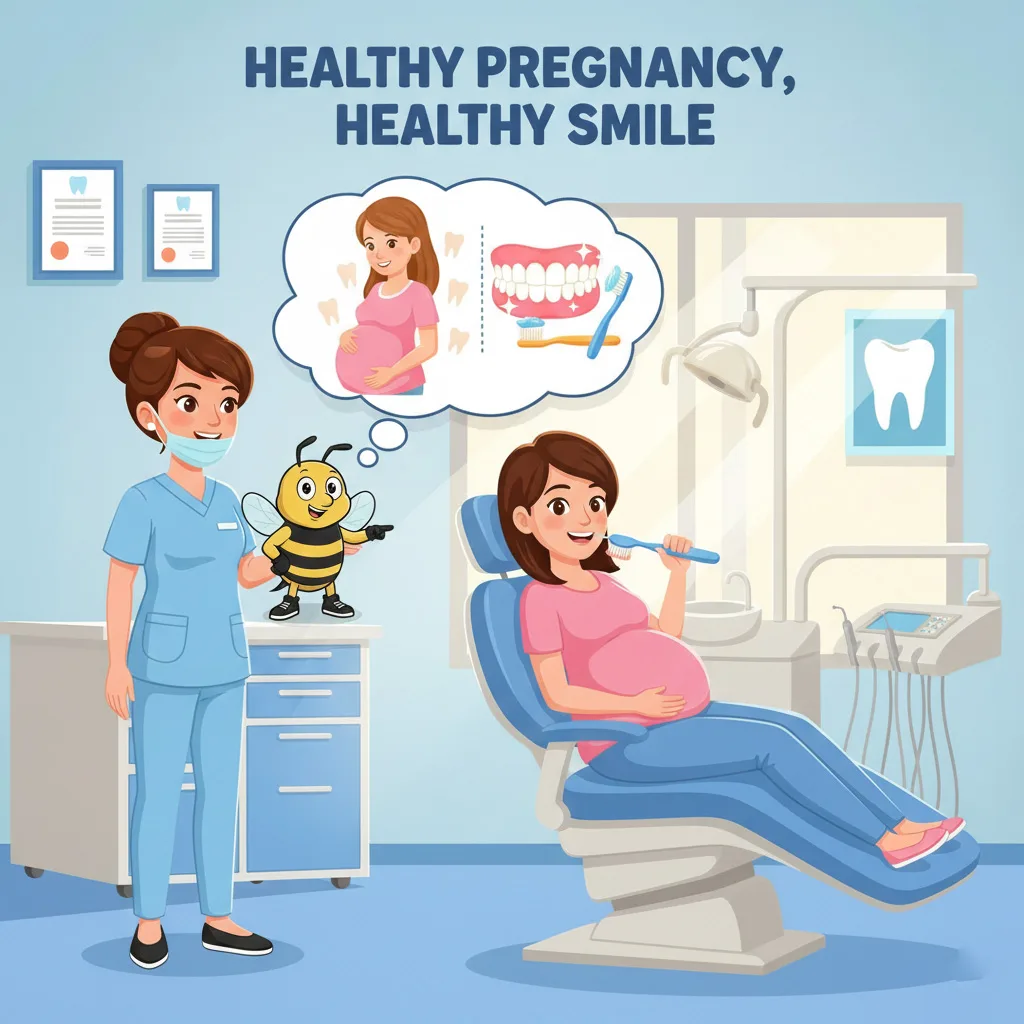
Pregnancy can change how your gums respond to plaque and make your usual routine harder to maintain. Nausea, new eating patterns or tender gums are useful reasons to talk with the dental team.
At BluSky Dental Richardson, tell us that you are pregnant and share relevant advice from your prenatal provider. Needed dental care should not be put off automatically until after birth.
Pregnancy and Oral Health in Ottawa
Hormonal changes can make gums more prone to inflammation. Bleeding or swelling still needs assessment rather than being dismissed as an unavoidable part of pregnancy.
Changes in snacking, vomiting or difficulty brushing can also affect teeth. Pregnancy does not mean that a baby removes calcium from your teeth; oral problems have causes that can be assessed and addressed.
Tell the dentist what has changed in your routine so the advice is realistic for you.
Arrange Necessary Care
Dental assessment, preventive care and necessary treatment can generally be provided during pregnancy. Relevant X-rays and local anaesthetic can be used when indicated, with an individualized clinical plan.
The team needs to know about pregnancy complications, medicines and advice from your medical provider. Elective cosmetic treatment and necessary care are different decisions.
Do not delay pain, swelling or a suspected infection simply because you are pregnant. Contact the clinic and your prenatal team when coordination is needed.
Adapt the Home Routine
Continue fluoride toothpaste and gentle cleaning between teeth. If nausea makes brushing difficult, discuss a smaller brush, a tolerable flavour or a different time of day that helps you maintain the routine.
After vomiting, rinse your mouth and ask for advice about acid exposure and brushing timing. Avoid scrubbing immediately at softened tooth surfaces or using increasingly abrasive products to compensate.
If frequent snacks are helping you manage nausea, discuss choices and timing without feeling that you must ignore your medical or nutritional needs.
Share Symptoms and Medicines
Tell the dentist about reflux, vomiting, dry mouth or an area of gum that has enlarged. Some tissue changes need monitoring or further assessment rather than a diagnosis from a photograph.
Use medicines only after checking suitability for pregnancy with the relevant clinician or pharmacist. Do not assume an over-the-counter pain product is appropriate simply because it was useful before pregnancy.
Keep Claims About Wider Health in Perspective
Studies have examined links between gum disease and pregnancy outcomes, but treating the gums is not a guarantee against premature birth or other complications. Dental care supports oral health alongside prenatal care.
Keep your medical appointments and prescribed plan in place. Neither dental advice nor online information should replace guidance from your prenatal provider.
Before a Planned Appointment
Tell the clinic how far along you are and whether there have been changes since booking. Bring an updated medicine list, including supplements, and any relevant prenatal advice.
If an appointment involves a procedure or medication you are uncertain about, raise the question beforehand so the dental and prenatal teams can coordinate. You should understand the reason for the proposed care rather than cancel necessary treatment out of uncertainty.
Plan Around Your Comfort
Tell the team if lying back is uncomfortable or you need breaks. For practical preparation, see pregnancy dental care.
After birth, continue any outstanding dental follow-up and ask about your baby's first oral-health steps. Contact Richardson to discuss a concern or arrange a visit during pregnancy.
Talk with the Richardson team
Tell us what you would like help with and ask about your next visit.
Call: (613) 829-5921
Address: 510 Richardson Ave, Ottawa, ON K2B 5H1