
Teeth Grinding Ottawa
BluSky Dental Richardson

Grinding or clenching can place extra forces on teeth and restorations. You may notice the habit while concentrating, hear about it from a sleeping partner or learn about wear during a dental examination.
At BluSky Dental Richardson, the assessment looks at both the damage and the possible contributors. A worn edge is useful information, but it does not prove that active grinding is the only cause.
Teeth Grinding in Ottawa: What to Notice
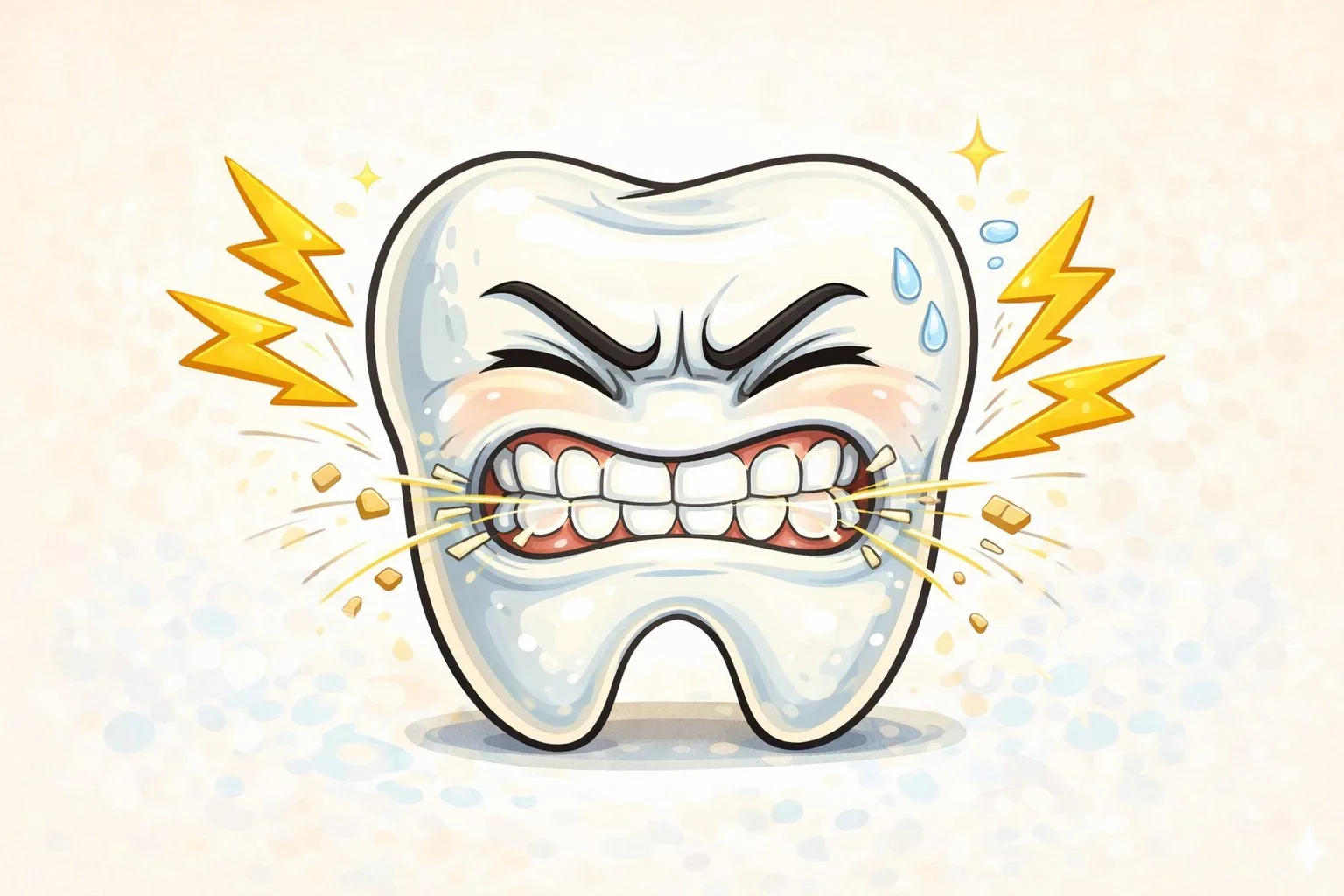
Bruxism can occur while awake or asleep. It may involve grinding, clenching or other repeated jaw activity, and it does not always make an obvious sound.
Signs can include worn or chipped teeth, damaged restorations and tired or sore jaw muscles. These symptoms can have other explanations, so a diagnosis needs more than a checklist.
Tell the dentist when you notice tension, whether symptoms are worse on waking and what another person has observed at night.
Look at the Pattern
The examination considers tooth wear, restorations, muscles and relevant history. The clinician may compare earlier records to establish whether a change is progressing.
Stress, sleep-related factors, some medicines and habits can be relevant. Mention alcohol, caffeine and nicotine use as well as prescription changes. Do not stop a medicine without speaking to its prescriber.
If loud snoring, breathing pauses or marked daytime sleepiness are present, tell a medical provider. A grinding complaint should not hide a separate sleep apnea concern.
Protecting Teeth and Restorations
A fitted night guard may help limit damaging tooth contact in suitable cases. Its role is protection; it does not guarantee that grinding will stop.
Existing chips, cracks or failing restorations need individual assessment. Rebuilding a worn surface without considering continuing forces can leave the repair vulnerable.
Ask what the proposed treatment is intended to achieve and how its effect will be reviewed. Not every mild sign requires an appliance or extensive restorative work.
Daytime Awareness
If you notice yourself clenching while working or driving, discuss simple reminders to relax the jaw and reduce sustained tooth contact. A realistic habit change starts with recognizing when the activity happens.
Do not force the jaw into a new position or start vigorous exercises without appropriate guidance. Persistent pain or restricted opening may need a separate TMJ assessment.
Support for stress can be useful when it is a contributor, but grinding should not be dismissed as something you simply need to stop worrying about.
Review Changes Over Time
Bring an existing guard to the appointment and show any areas of wear. Report a device that makes pain worse, alters the bite or no longer fits.
The review should consider symptoms, tooth changes and whether the original plan still fits. A guard with marks on it is not the whole measure of success.
Book a Richardson visit to assess the signs and discuss proportionate protection for your teeth.
Talk with the Richardson team
Tell us what you would like help with and ask about your next visit.
Call: (613) 829-5921
Address: 510 Richardson Ave, Ottawa, ON K2B 5H1