Airway Analysis in Ottawa
BluSky Dental Richardson

Snoring, waking with a dry mouth or feeling unrefreshed can raise questions about your breathing during sleep. A dental visit can help identify concerns worth investigating and check whether your teeth, jaw or oral tissues are relevant to the next step.
What airway analysis in Ottawa can tell you
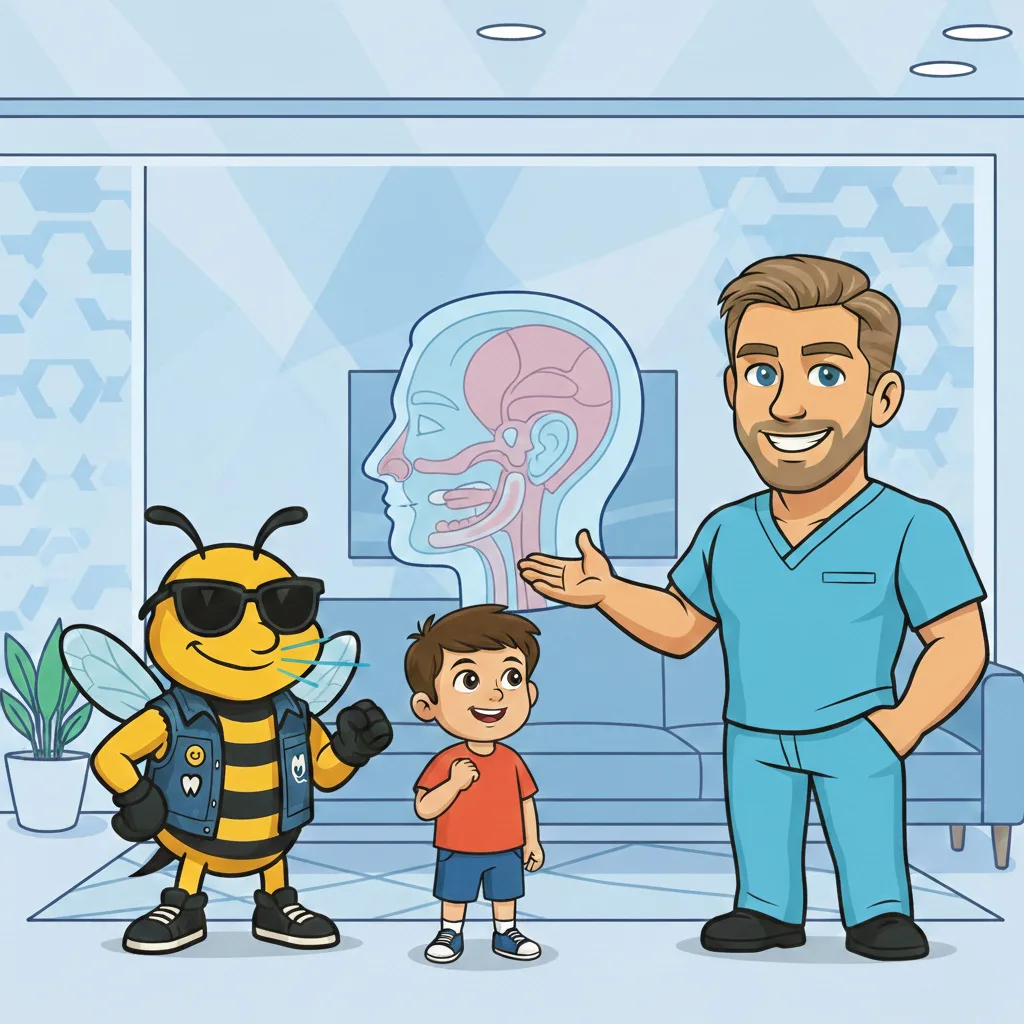
A dental airway assessment looks at the mouth and surrounding structures alongside your symptoms and health history. The dentist may discuss tongue position, jaw relationships, nasal breathing difficulties and findings in your oral examination.
These observations can support a referral. They do not, on their own, establish whether you have sleep apnea or how severe it is. An awake view of your airway is different from measuring your breathing while you sleep.
At BluSky Richardson, bring up your concern even if you do not know which test or treatment you need. The starting point is understanding the problem, not choosing an appliance.
Symptoms worth sharing
Tell the clinician about loud or persistent snoring, witnessed pauses in breathing, waking gasping, morning headaches or difficulty staying alert during the day. A partner's observations may add useful detail, particularly if you are unaware of the interruptions yourself.
Also mention persistent nasal blockage, previous airway surgery, current medicines and any treatment already prescribed for a sleep condition. Children who regularly snore or appear to struggle with breathing during sleep need medical assessment rather than an assumption that they will grow out of it.
If sleepiness affects your ability to drive safely, stop driving and seek medical advice promptly. An appointment to discuss dental options should not delay attention to a safety concern.
Preparing for the assessment
Bring any available sleep-study report, appliance details and a list of your medicines. If you use CPAP, explain what is working and what is difficult: mask fit, dryness, travel or another practical issue. You do not need to stop your prescribed treatment to have this discussion.
It may help to note when symptoms occur and what other people have noticed. There is no need to diagnose yourself using an app or an online score. Screening questionnaires can organize symptoms, but a score is not the same as a diagnosis.
Where imaging fits
An image may be useful when a specific clinical question justifies it. Three-dimensional dental imaging can show anatomy, but it cannot replace the medical evaluation or sleep testing used to diagnose sleep apnea. It should not be presented as a stand-alone way to prove that breathing is normal.
Ask what a proposed scan is expected to answer, whether existing records would be sufficient and how the result would affect your care. The assessment should guide the choice of records, not the other way around.
Leave with a clear handoff
If another assessment is recommended, ask what information should go with the referral and who will explain the results. A dental observation such as an unusual jaw relationship may be relevant, but the receiving clinician needs your symptoms and history too.
Keep a copy of the recommendation and bring later reports back to your dental appointments. This helps avoid separate conversations moving in different directions. For example, a planned appliance should be considered alongside an existing sleep treatment, not in isolation from it.
If the assessment does not identify a dental explanation, that does not make persistent sleep symptoms unimportant. Ask which provider should review them next. A useful appointment ends with a defined next step, even when that step is outside dentistry.
Choosing the next step
Depending on the findings, the next step may be a medical sleep assessment, evaluation of nasal obstruction or discussion of a dental appliance for an established diagnosis. Different concerns may need different clinicians.
Read about sleep apnea therapy for the broader care pathway. If an oral device has been recommended, our sleep apnea appliances page explains the dental fitting and follow-up questions.
Questions about this treatment
Not necessarily. Changes in sound do not show whether breathing interruptions have been adequately treated. Follow-up is based on the diagnosed condition and the treating provider's plan.
No. Dental assessment can contribute relevant information, while medical evaluation addresses the sleep disorder itself. Bring existing results so the discussions can work together.
Contact Richardson to arrange a visit and explain your airway or sleep concern.
Talk with the Richardson team
Tell us what you would like help with and ask about your next visit.
Call: (613) 829-5921
Address: 510 Richardson Ave, Ottawa, ON K2B 5H1