
Kids and Teens Dentistry in Ottawa
BluSky Dental Richardson

School, sports and changing routines can make dental care feel like one more thing to fit in. For children and teens, the goal is a manageable routine that protects growing teeth and helps them become comfortable speaking up about their own health.
Growing with kids and teens dentistry in Ottawa
At BluSky Richardson, tell the team about new teeth, an injury, sensitivity or a change in your child's eating or brushing. Young people do not always describe a dental problem as pain. Avoiding a food, chewing on one side or reluctance to brush can also be worth discussing.
Care changes as primary teeth make way for permanent teeth. Visits help assess those changes and decide which preventive or treatment steps are useful now. They are also a chance to build skills rather than only check for cavities.
Protecting newly erupted teeth
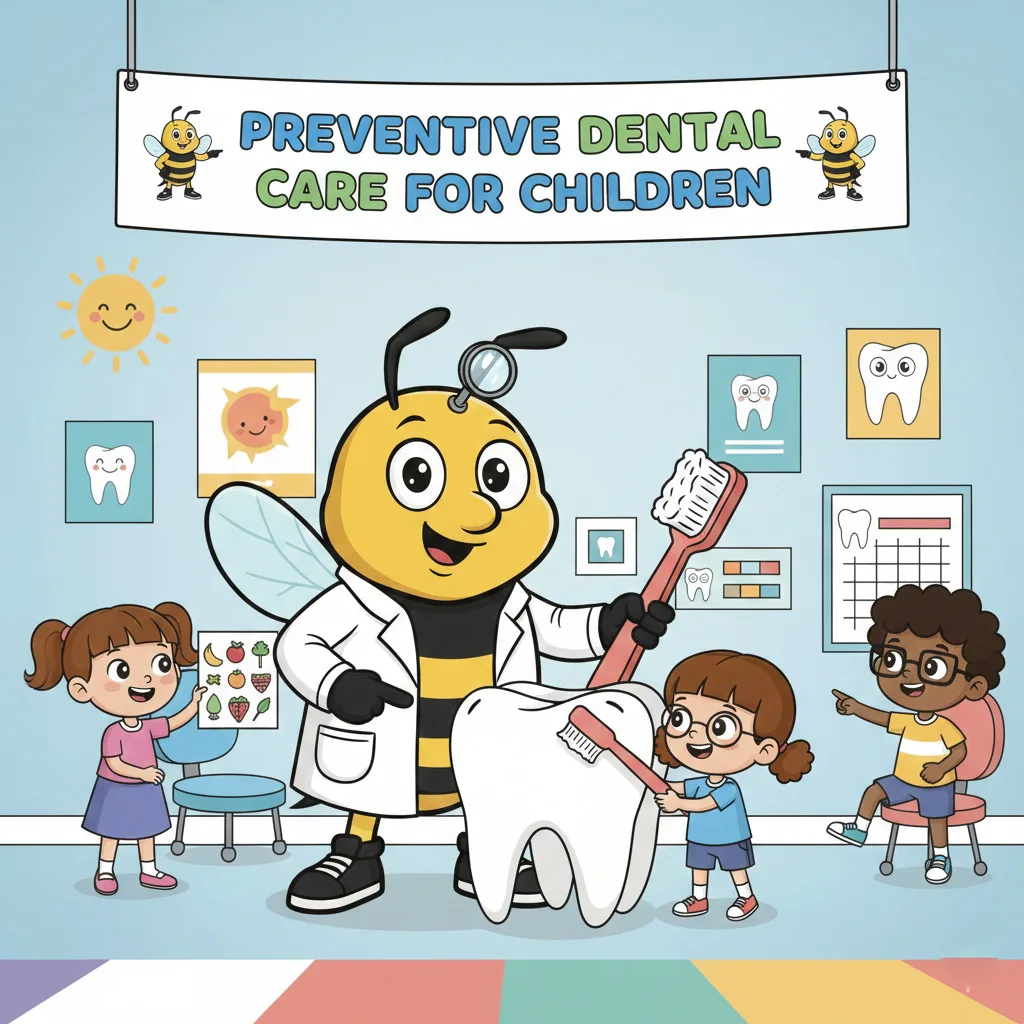
Back teeth can have deep grooves that are difficult to clean. The dentist may discuss sealants when appropriate, along with fluoride and a brushing routine that reaches the new surfaces.
Prevention should reflect the child's history and habits. Frequent sugary drinks, dry mouth or difficulty cleaning around an appliance may change the advice. A child who has had cavities may need a different level of support from a sibling who has not.
Making home care more independent
Children need help with brushing until they can clean effectively. As they take on more responsibility, it can help to check the result and demonstrate tricky areas rather than simply asking whether brushing happened.
Teens may respond better when advice connects to a problem they notice, such as bleeding during brushing, food trapped around braces or breath concerns. Ask the dental team for a technique or tool they can actually use consistently.
Discuss sports drinks, energy drinks and repeated snacking without turning the visit into a lecture. The frequency of exposure matters, and practical changes are often easier to sustain than an unrealistic set of rules.
Sports, orthodontics and new concerns
A sports mouthguard can be part of protection during activities with injury risk. It needs review as teeth erupt and appliances change. A mouthguard designed for an earlier stage of growth may no longer fit well.
Crowding, bite concerns or teeth that do not appear to be erupting as expected may need further assessment. An orthodontic discussion does not always mean treatment should start immediately. The timing depends on the actual problem and development.
For an injury, contact the clinic promptly and describe what happened, which teeth are affected and whether there are other injuries. Do not delay urgent care while waiting for a regular checkup.
Helping an anxious young person
Tell the team what has helped or been difficult in previous visits. A child may worry about noise, taste, not understanding a procedure or being unable to signal a pause. Specific information helps the clinician plan communication and pacing.
Avoid promising that nothing will hurt or that no treatment will be needed. A better starting point is explaining that the dentist will look, discuss what is found and help keep them comfortable. Any sedation decision needs a separate assessment and informed discussion with the appropriate decision-maker.
When treatment is recommended
Ask which tooth is involved, what the treatment aims to prevent or repair and what alternatives exist. Primary teeth can still need care even when they will eventually be replaced. Permanent teeth need a plan that considers their long-term use.
Young people should be involved in explanations in a way they can understand. As teens mature, questions about consent, privacy and caregiver involvement should be handled individually rather than treating every age exactly the same.
Questions about this treatment
The interval follows your child's risk and findings. Ask why a particular schedule is recommended and what should prompt an earlier call.
See pediatric dentistry for first visits and early childhood routines.
Book a Visit to discuss your child's current stage and concerns.
Talk with the Richardson team
Tell us what you would like help with and ask about your next visit.
Call: (613) 829-5921
Address: 510 Richardson Ave, Ottawa, ON K2B 5H1