
Dental Sleep Therapy Ottawa: Treatment Steps
BluSky Dental Richardson

An oral appliance for obstructive sleep apnea is part of a coordinated treatment plan. It begins with a medical assessment and a diagnosis, followed by a dental evaluation if an appliance is an appropriate option.
BluSky Dental Richardson can help you understand the dental questions and the providers who need to be involved. The goal is effective treatment of breathing during sleep, not simply a quieter night.
Start with the Sleep Assessment
Symptoms and a dental examination can identify reasons for further investigation, but they do not establish a sleep-apnea diagnosis. A medical provider considers your history and the appropriate sleep testing.
Bring any diagnosis, test report and current treatment information to the dental consultation. If you use CPAP, do not stop it or change the settings while exploring an appliance without advice from the prescribing team.
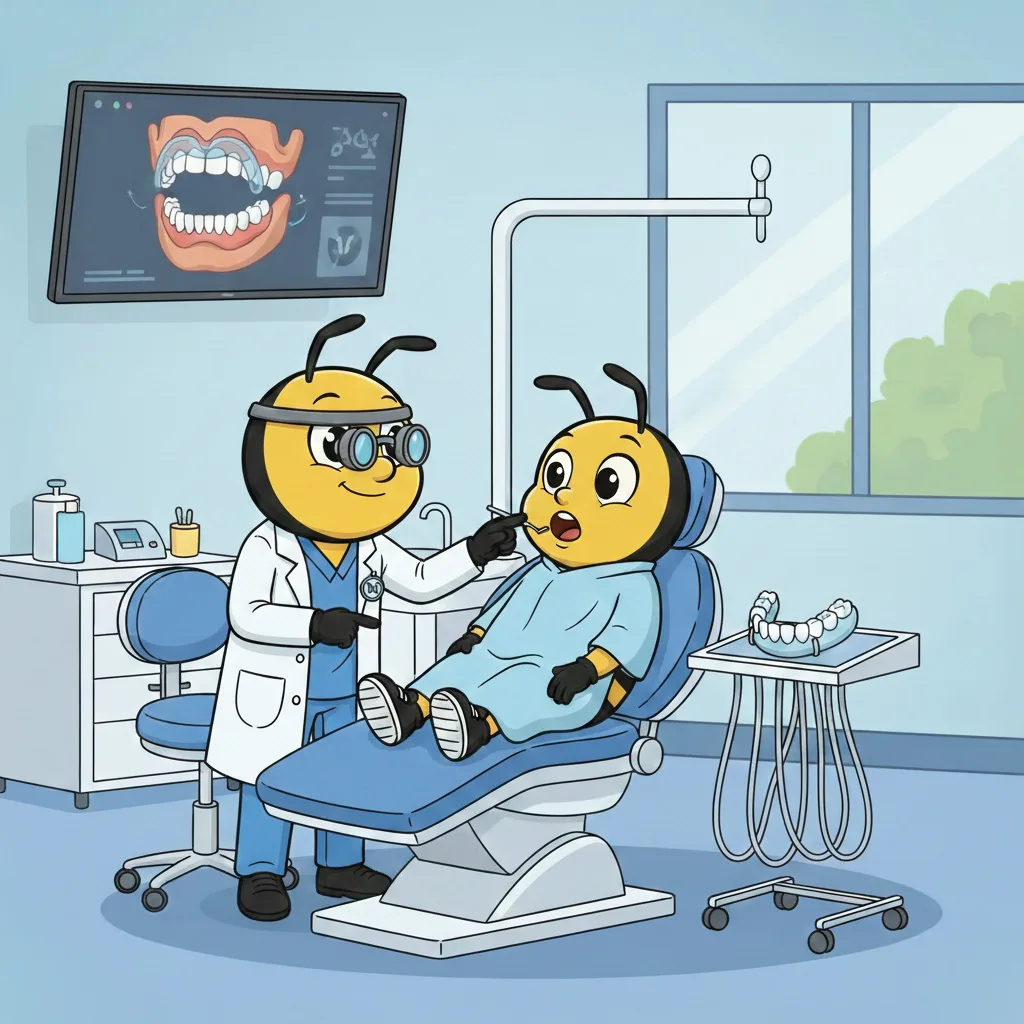
Considering Dental Sleep Therapy in Ottawa
Custom oral appliances can be considered for selected people with obstructive sleep apnea, including some who cannot tolerate CPAP or prefer an alternative after discussing the options.
The dental assessment checks teeth, gums, jaw function and the support needed for the proposed device. Not every person or type of sleep apnea is suitable for this approach.
The appliance guide explains the device, while the therapy overview covers the wider treatment discussion.
Fitting and Adjustment
Records are taken to make an appliance that fits your mouth. At delivery, you learn to insert, remove and clean it, and receive the prescribed wear and adjustment instructions.
Many devices work by holding the lower jaw forward to help maintain an open airway. The position is adjusted according to the plan, your tolerance and treatment response. More advancement is not automatically better.
Report jaw discomfort, tooth soreness or a change in bite. Do not continue escalating adjustments on your own because snoring persists.
Check Whether It Is Working
Feeling more rested or hearing less snoring can be useful feedback, but neither proves sleep apnea is adequately controlled. The medical sleep team may arrange follow-up testing with the appliance.
Results help determine whether further adjustment, another therapy or a combined approach is needed. Keep the dental and medical providers informed about changes in symptoms and treatment.
Ongoing Reviews
The appliance and your mouth both need monitoring. Teeth can move, restorations can change and the device can wear. Sleep symptoms and health circumstances may also change over time.
Bring the device to relevant reviews and ask when it needs checking. If it breaks or can no longer be worn, contact the care team about interim treatment rather than leaving sleep apnea unaddressed.
Records That Help the Consultation
Bring the medical sleep report, details of current therapy and any earlier oral appliance. Explain what was difficult about a previous treatment rather than describing it only as unsuccessful.
Your care team can then distinguish a fit or tolerance issue from a treatment that did not control breathing adequately. These are different problems and may require different next steps. Ask who will communicate the outcome back to the medical provider after the dental review.
Plan the Practical Details
Before proceeding, clarify the provider, fitting visits, adjustment reviews, testing coordination and estimate. An appliance should come with a care pathway, not simply a box to take home.
Contact Richardson to discuss the dental assessment and which records to bring.
Talk with the Richardson team
Tell us what you would like help with and ask about your next visit.
Call: (613) 829-5921
Address: 510 Richardson Ave, Ottawa, ON K2B 5H1