What Is a Dental Crown?
BluSky Dental Richardson

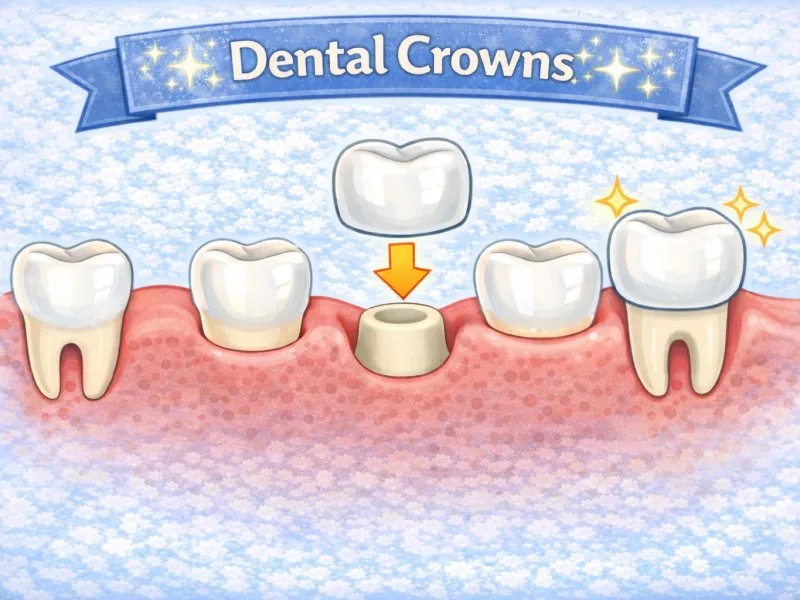
A crown fits over the prepared, visible portion of a natural tooth. It replaces that outer shape so the tooth can be restored for use. The natural root and any remaining tooth structure are still present underneath and continue to need care.
What is a dental crown used for?
A crown may be considered when a tooth has lost substantial structure, has a large restoration or needs protection as part of a wider treatment plan. The dentist examines the remaining tooth, bite and supporting tissues before recommending it.
Not every cavity or chipped edge needs a crown. A filling, inlay, onlay or another approach may be appropriate depending on the damage. Ask which finding makes the proposed coverage useful for your tooth.
A crown is not the same as a root canal
A root canal treats the inside of a tooth when indicated. A crown restores the outside more extensively. Some teeth need both procedures, while others need one without the other.
If both are recommended, clarify the order and who completes each stage. The tooth may need a temporary restoration between appointments. Feeling comfortable after the internal treatment does not necessarily mean the final protective work is finished.
Natural-tooth and implant crowns differ
A crown on a natural tooth fits over prepared tooth structure. An implant crown is supported through an implant arrangement in the jaw. They may look similar above the gumline, but the supporting parts and some maintenance considerations differ.
Ask which components are included when discussing an implant estimate. The word crown describes the replacement tooth portion, not every part of implant treatment.
Materials and design
Different materials have different properties. The position of the tooth, bite, available space and appearance requirements help guide the selection. A single material is not automatically best for every front or back tooth.
The crown also needs appropriate margins and contacts. A good-looking restoration should allow cleaning near the gumline and function comfortably with neighbouring and opposing teeth. These checks matter whichever manufacturing method is used.
The usual stages
The tooth is assessed and prepared, and records are taken for the restoration. A temporary crown may protect it while the final work is made. Some suitable digital workflows can complete preparation and fitting within one appointment; other plans need more time or laboratory work.
Before the crown is attached, the dentist checks fit, appearance, contacts and bite. Ask what you should notice afterward and what to report. A bite that feels high or discomfort that persists deserves review rather than an assumption that every sensation is normal.
Life with a crown
Keep cleaning the restored tooth and the gumline. The crown itself does not get a cavity, but natural tooth structure at its edge can. Gum health and regular review remain relevant after the restoration is placed.
Crowns can loosen, chip or need replacement. Avoid using teeth to open packaging and tell the dentist about grinding or clenching. If a crown comes off, keep it safely and contact the clinic; do not use household adhesive to put it back.
No fixed lifespan applies to every crown. The tooth underneath, material, bite, cleaning and changes in your mouth all affect future care. Ask how a repair or replacement would be assessed if a problem develops.
If a crown has been recommended but the reason is unclear, ask to see the area of damage or the existing restoration. An explanation tied to that tooth is more useful than a general description of crowns as protective caps. You should understand what the extra coverage is intended to accomplish.
For the treatment discussion, see dental crowns. To compare a different restoration, read veneers versus crowns. Contact Richardson with questions about a crown recommended for you.
Talk with the Richardson team
Tell us what you would like help with and ask about your next visit.
Call: (613) 829-5921
Address: 510 Richardson Ave, Ottawa, ON K2B 5H1