
Bleeding Gums Ottawa
BluSky Dental Richardson

Blood on a toothbrush or between teeth is a reason to pay attention, especially if it happens repeatedly. Bleeding often relates to gum inflammation, but the pattern and your health history help determine what needs checking.
At BluSky Dental Richardson, tell us when the bleeding started and whether it happens only during cleaning or at other times too.
Assessing Bleeding Gums in Ottawa
The examination looks for plaque, inflammation, local injury and changes around teeth or restorations. Gum measurements help distinguish a surface problem from disease affecting the supporting tissues.
The amount of visible blood alone cannot diagnose the cause. Painless bleeding can still need treatment, while a one-off injury has a different history from recurrent bleeding throughout the mouth.
Mention swelling, tenderness, bad breath, gum recession or a tooth that feels loose. These details help focus the assessment.
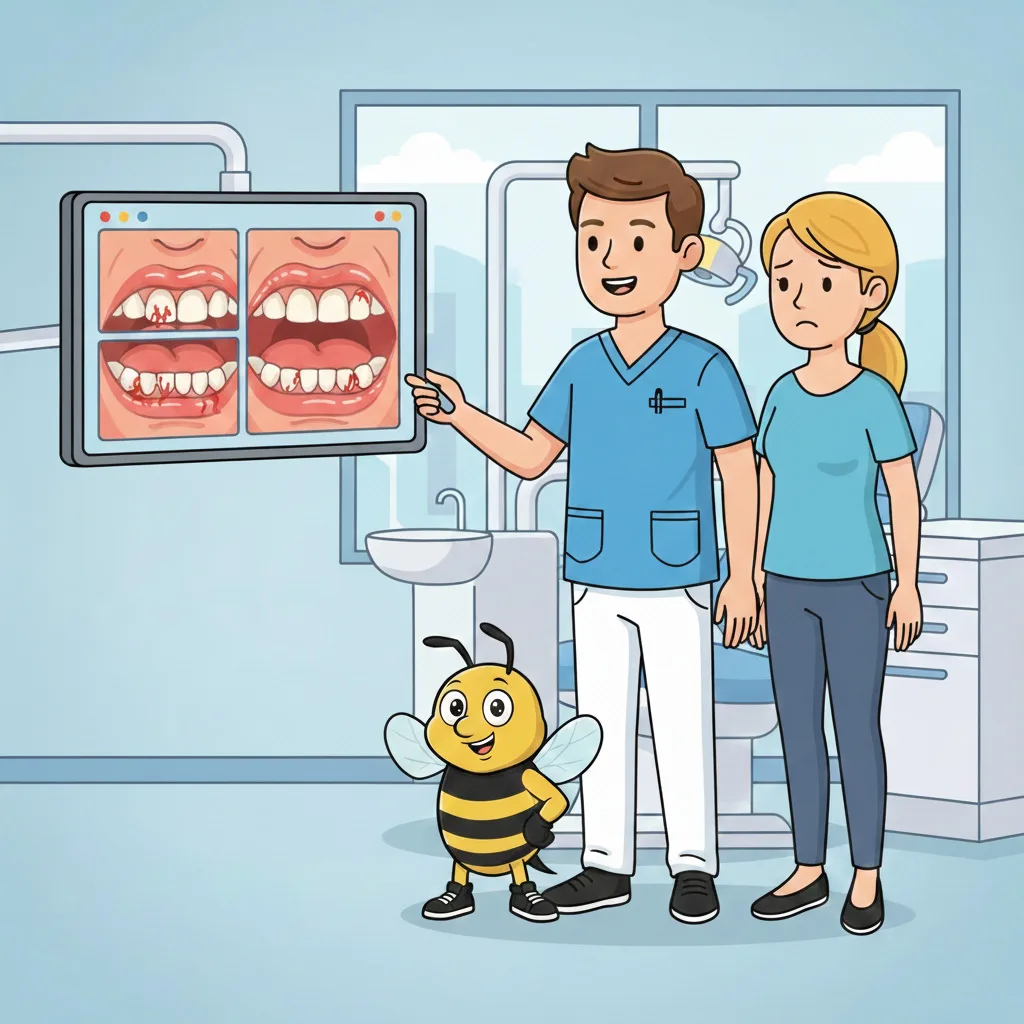
Share Medicines and Other Symptoms
Tell the dentist about medicines that affect bleeding and any recent change in prescriptions. Do not stop a blood thinner or another prescribed medicine without advice from the responsible clinician.
Unexplained bruising, bleeding elsewhere or significant general illness should also be discussed with a medical professional. Not every bleeding symptom belongs solely to dentistry.
Persistent heavy bleeding or bleeding that cannot be controlled needs urgent care. If it follows a dental procedure, use the treating team's contact instructions promptly.
Keep Cleaning, but Avoid Injury
Stopping cleaning entirely can allow more plaque to remain. Use a gentle technique and ask which tool suits the spaces between your teeth.
Do not force floss into the gum or scrub harder in an attempt to stop bleeding. If one area repeatedly catches or hurts, have the tooth and any restoration checked.
A mouthwash that temporarily changes the sensation does not establish that the cause has resolved. Treatment depends on the examination findings.
What the Findings May Mean
Gingivitis involves inflamed gums without the supporting tissue loss of periodontitis. Both need assessment, but the treatment and follow-up can differ.
Changes during pregnancy or with diabetes can influence the gums as well. Share those details rather than assuming bleeding is unavoidable and does not need care.
Track the Pattern Without Testing It
Notice when bleeding happens during normal care, but do not repeatedly poke the area to check it. Tell the clinician whether the same space is involved each time or whether the symptom is widespread.
If a new brush, cleaning tool or appliance preceded the problem, mention that too. The timing can be useful even when it does not establish the cause by itself.
Know the Review Plan
Ask what should improve after treatment and when the area will be reassessed. If bleeding continues despite following the plan, report it so the cause can be reviewed.
A brief note about which areas bleed and how often can make the conversation more useful. Contact Richardson to arrange a gum assessment and explain any urgent changes when you call.
Talk with the Richardson team
Tell us what you would like help with and ask about your next visit.
Call: (613) 829-5921
Address: 510 Richardson Ave, Ottawa, ON K2B 5H1