
Sensitive Teeth Ottawa
BluSky Dental Richardson

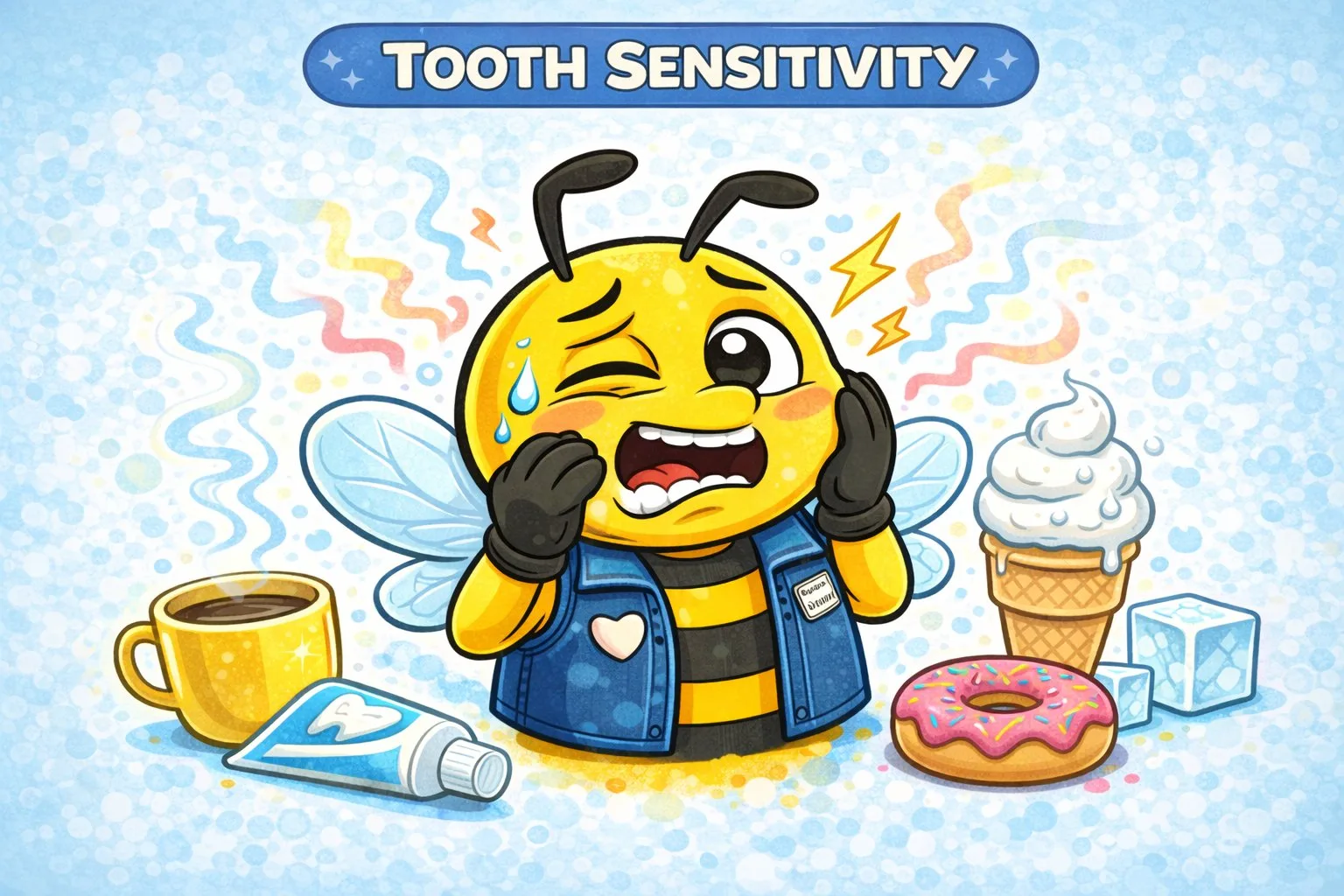
A short sharp feeling with cold food is different from pain that lingers, wakes you or appears when you bite. Describing that pattern helps the dentist investigate why a tooth is sensitive.
At BluSky Dental Richardson, we assess the cause before suggesting a product or treatment. Sensitivity can relate to exposed surfaces, decay, a crack, an existing restoration or other changes.
What to Notice Before Your Visit
Keep a short note of which tooth or area is affected, the trigger and how long the sensation lasts. Mention whether it started after whitening, a filling or another procedure.
Pain on pressure, spontaneous pain or swelling needs prompt attention. Do not assume a sensitive toothpaste is enough when symptoms are persistent or getting worse.
Avoid repeatedly testing the area with ice or hard biting to prove the problem. That can aggravate it without establishing a diagnosis.
Assessing Sensitive Teeth in Ottawa
The dentist examines the tooth and gums and considers relevant tests or imaging. The aim is to distinguish exposed dentine sensitivity from a problem that needs different care.
Receding gums can expose root surfaces. Wear, erosion and some dental conditions can also expose sensitive areas. The explanation should connect your symptoms with the findings rather than assuming everyone has the same cause.
If one tooth is involved, mention any old filling or injury. General sensitivity across several teeth may have a different pattern.
Treatment Depends on the Cause
A desensitizing toothpaste or a professional preventive product may be useful for suitable exposed surfaces. These work differently from restoring decay or treating an affected pulp.
If a restoration is damaged or a crack is suspected, that issue needs assessment in its own right. Covering the sensation without addressing the defect may leave the problem unresolved.
Ask what response to expect, how long to trial a recommended product and when to return if it does not help. Avoid switching between multiple strong products without a plan.
Review Brushing and Acid Exposure
Gentle cleaning is more useful than vigorous scrubbing. Discuss your brush, technique and toothpaste, especially if you are using abrasive whitening products.
Frequent acidic drinks, reflux or vomiting can be relevant to surface wear. Tell the clinician about these factors so advice can be coordinated with appropriate medical care where needed.
You still need to clean sensitive areas. Ask for a method you can tolerate rather than leaving plaque to collect around them.
Sensitivity After Dental Work
Some procedures can be followed by temporary sensitivity, but the treating clinician should explain the expected course. Report increasing pain, a high bite or symptoms that do not settle as advised.
If whitening causes discomfort, stop and contact the provider for guidance rather than adding more product. Existing restorations and natural teeth do not all respond in the same way.
Get a Clear Explanation
Arrange an assessment at Richardson and bring the symptom pattern with you. For persistent pain beyond a short trigger response, our toothache guide explains the next questions and warning signs.
Talk with the Richardson team
Tell us what you would like help with and ask about your next visit.
Call: (613) 829-5921
Address: 510 Richardson Ave, Ottawa, ON K2B 5H1