
Assessment and alternatives
The first decision is whether an implant suits your situation. A dental bridge or removable replacement may also deserve consideration. You can compare these before committing to surgery.
BluSky Dental Richardson

A successful implant plan starts with the tooth you need to replace, the bone available to support it and the way you bite. Digital guidance can help bring those details together before surgery. At BluSky Richardson, an implant discussion starts with your needs and the records required to assess them.
Guided surgery uses a digital treatment plan and a custom guide to help direct implant placement. The guide fits against teeth, gums or another planned support and helps transfer the selected position to your mouth. It is a planning aid used by a clinician, not an automated operation.
An implant still needs suitable supporting bone, careful placement and time to heal. A guide does not remove those requirements or make every implant case straightforward. The dentist decides whether guidance adds value for your particular treatment.
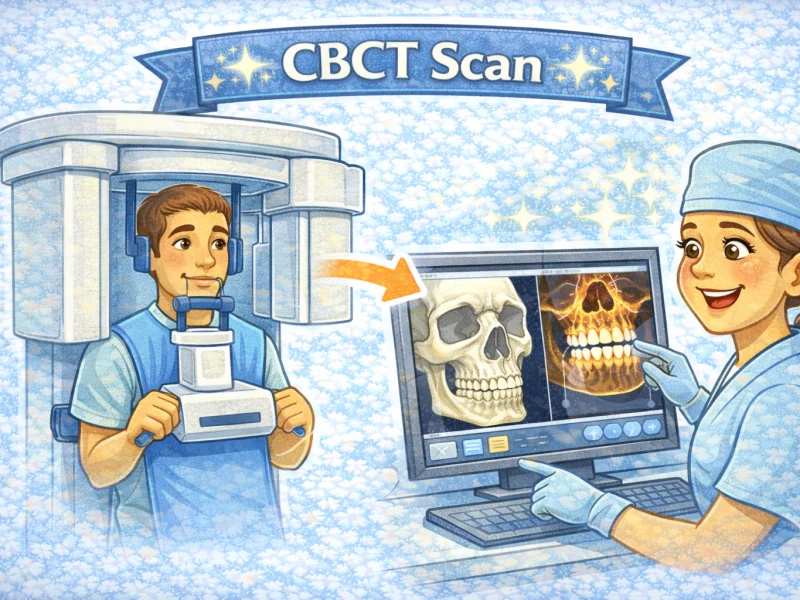
The assessment may combine three-dimensional imaging with a scan or impression of your teeth. These records answer different questions. Imaging helps show bone and nearby structures; a surface scan helps show how the planned replacement relates to your mouth and bite.
Planning works back from the intended tooth position. There needs to be room for a useful, cleanable restoration as well as a suitable position for the implant underneath. Your dentist also reviews gum health, existing restorations, medicines and factors that could affect healing.
If additional imaging is recommended, ask what information it will provide and how it changes the decision. A scan should serve a clinical purpose. Equipment and appointment arrangements are confirmed as part of your individual plan.
The first decision is whether an implant suits your situation. A dental bridge or removable replacement may also deserve consideration. You can compare these before committing to surgery.
When a guide is appropriate, the clinician plans its position and checks how it will be supported. The fit matters: the guide must relate correctly to the anatomy it was designed for. New information on the day of surgery can require a change of approach.
The surgical visit places the implant. Whether a temporary tooth can be fitted at that stage depends on stability, the bite and other clinical factors. Guided placement does not mean you automatically leave with a final tooth.
After the necessary healing and checks, the replacement tooth is fitted and reviewed. Cleaning access, bite comfort and maintenance remain part of treatment. The dental implants overview explains the wider replacement process.
A digital plan can help the clinician study difficult anatomy and coordinate the surgical and restorative stages. It can also make the proposed position easier to explain during consultation.
There are still limitations. Mouth opening, guide access, changes in tissue and the accuracy of the records all matter. Some procedures need an incision, grafting or adjustments during surgery. Infection, implant failure and injury to nearby structures remain possible risks to discuss; guidance is not a guarantee against complications.
Ask whether a graft would be needed first, whether the guide affects the number of appointments and what the estimate includes. The guide, imaging, implant and final restoration may represent different parts of the plan.
It is one method of delivering a carefully planned procedure. The useful question is why it is recommended for your anatomy and replacement, rather than whether every patient should receive it.
It may change the surgical workflow, but it does not remove the time your tissues need to heal. Ask for the expected sequence, including any temporary replacement and review visits.
Ask the dentist to explain the proposed implant position and the tooth it will support. Understanding the reason for a recommendation can make the next decision easier.
Book a Visit to discuss implant planning at Richardson.
Tell us what you would like help with and ask about your next visit.
Call: (613) 829-5921
Address: 510 Richardson Ave, Ottawa, ON K2B 5H1