Dental Implants Ottawa

BluSky Dental Richardson

BluSky Bee

Replacing a missing tooth can help you feel more confident when eating and smiling. Dental implants provide support for replacement teeth, with the type of restoration chosen around the spaces involved and your oral health.

At BluSky Dental Richardson, an implant consultation starts with what you want to improve. You may have one missing tooth, several gaps or a denture that you would like to discuss. An examination establishes which options are realistic.

Book an implant consultation or call (613) 829-5921.

How an Implant Supports a Tooth

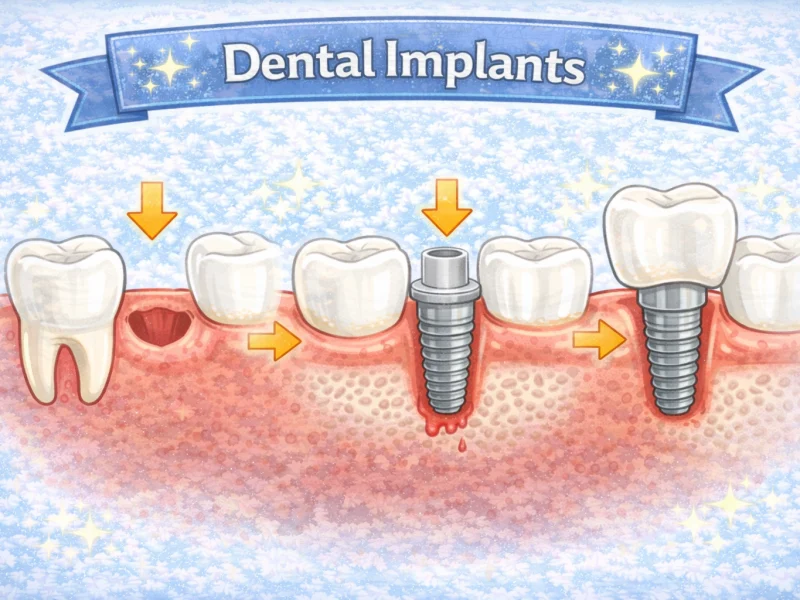
A dental implant is placed in the jawbone to support a restoration. For a single missing tooth, the system commonly includes the implant, a connecting component called an abutment and the visible crown.

Those parts have different jobs. The implant provides support, while the crown provides the chewing surface and appearance. Other designs can support a bridge or help retain a removable denture.

The implant and the replacement tooth are not interchangeable terms. Ask which components are included in your plan and how they will be maintained or repaired if needed.

BluSky illustration showing an implant, its connector and a replacement crown

Exploring Dental Implants in Ottawa

The number and position of missing teeth help shape the discussion. Your current teeth, available bone, gum health and cleaning ability also matter.

Replacing One Tooth

A single implant can support a crown without using adjacent teeth as conventional bridge supports. The plan still needs to account for the space, bite and surrounding tissues.

If the tooth has not yet been removed, discuss replacement before the extraction where possible. The condition of the site can affect the sequence and whether preparatory care is considered.

Replacing Several Teeth

An implant-supported bridge can replace a span of teeth. It does not always require an implant for each missing tooth. The design and number of implants follow clinical planning, not a standard count selected online.

Ask how you would clean beneath the bridge and what access will be available for maintenance. Those practical details are part of deciding whether a fixed restoration suits you.

Supporting a Denture or a Full Arch

Implants can help retain some removable dentures or support a fixed restoration. Removable and fixed designs differ in cleaning, support and day-to-day handling.

A full arch means one complete upper or lower set of teeth. Full-mouth treatment considers both arches. Neither term establishes how many implants you need or whether all remaining teeth should be removed.

Is Implant Treatment Suitable for You?

The assessment includes your health history, medications and the condition of the proposed implant site. Bone, supporting tissues and relevant imaging help the clinician evaluate the plan.

Tell the dentist about smoking or nicotine use, diabetes, previous gum disease and any treatment that may affect healing. These details do not reduce the decision to a simple online checklist; they help identify risks and whether another clinician should be involved.

Some patients need treatment for gum disease or a discussion about bone grafting before implants can be considered. Additional procedures are not necessary for everyone and do not guarantee that an implant will be suitable.

Ask which factors matter most in your case and whether a specialist assessment is recommended. You should know who will perform the surgical and restorative stages and where those appointments will take place.

Compare the Alternatives

Dental bridges and dentures can also replace missing teeth. Their suitability depends on the remaining teeth, tissues and your preferences.

Implants involve surgery and a healing process. A bridge may involve preparation of supporting teeth. A removable denture has a different daily routine and support system. The useful comparison is how these differences apply to your own mouth.

Ask about the effect of leaving a space as well. Not every situation has the same consequences, and the explanation should reflect the position of the missing tooth and your bite.

The Treatment Sequence

Assessment and Preparation

The plan brings together examination findings, appropriate imaging and your treatment goals. Preparatory care may be needed before implant placement. Ask for the sequence, estimate and any uncertainties to be explained before proceeding.

Guided implant surgery is one planning approach that may be discussed. A guide is a tool for treatment; it does not remove surgical risk or guarantee an outcome.

Placement and Healing

The implant is placed surgically and the tissues need time to heal. The plan for managing discomfort, reviewing healing and using temporary teeth depends on the procedure.

Immediate implant placement and immediate temporary teeth are separate decisions. Neither is appropriate for every case. Ask what you will have during healing and what restrictions will apply to it.

Fitting the Restoration

When the site is ready, the restorative stages establish the fit, bite and appearance of the replacement teeth. Temporary teeth, if used, should be clearly distinguished from the definitive restoration.

The fitting appointment also includes information about care. Make sure you can reach the spaces that need cleaning and understand how any removable component is handled.

Risks and Long-Term Care

Implant treatment has surgical and restorative risks. These can include infection, failure to integrate, damage to nearby structures and complications involving the supporting tissues or restoration. Your clinician should explain the risks relevant to the site and your health.

Implants do not develop cavities, but the surrounding tissues can become diseased. Clean around them daily using the technique recommended for the restoration, and attend the reviews arranged for your needs.

Report pain, swelling, bleeding or looseness. A loose crown and a problem with the implant itself are different possibilities that need assessment. Avoid assuming a fixed restoration will never need professional attention.

Cost and Maintenance

An implant estimate should describe the whole treatment, not just the implant post. Ask whether imaging, preparatory procedures, temporary teeth, the final restoration and follow-up are included.

Our implant cost and longevity guide explains how to compare proposals. The benefits guide looks at practical advantages and tradeoffs in more detail.

Questions Before a Consultation

Yes. Bring the dentures to your assessment. The clinician will consider the available support and whether a new restoration would be needed; an existing denture cannot automatically be converted.

They remain in place for daily use, but still need care and possible repair or replacement. Fixed describes how you use the teeth, not a lifetime guarantee.

Timing depends on preparation, healing and the restoration. Ask for a sequence based on your examination rather than a universal completion date.

Take the Next Step

Bring your questions about chewing, appearance and maintenance to a visit at BluSky Dental Richardson. We can help you compare the options before you choose a replacement plan.

Let’s talk about your next visit

Contact the Richardson team with your questions.

Call: (613) 829-5921

Address: 510 Richardson Ave, Ottawa, ON K2B 5H1