Digital Smile Design in Ottawa
BluSky Dental Richardson

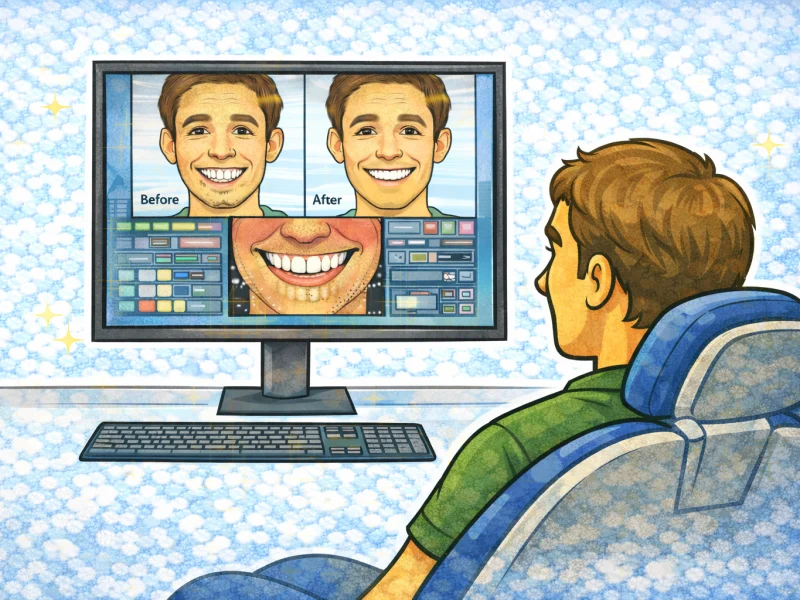
It can be hard to describe the change you want with words alone. Digital smile planning uses images and other records to help you and your dentist discuss tooth shape, position and proportions. It gives the conversation something concrete to work with before treatment decisions are final.
Exploring digital smile design in Ottawa
A smile design may bring together photographs, video, a scan or other records, depending on the case and available workflow. The clinician uses them to explore how proposed changes relate to your teeth, lips and facial appearance.
The preview is a communication tool. It is not a promise that a screen image can be reproduced exactly, and it does not establish whether the treatment is clinically suitable. The health of your teeth and gums still needs to be assessed separately.
At BluSky Richardson, start by explaining your goals. The team can clarify what planning records and preview options are appropriate for the proposed treatment.
Make the discussion specific
You may want to change an edge that looks uneven, reduce a visible space or explore a different tooth length. You may also have features you want to keep. Tell the dentist whether you are looking for a small refinement or a more noticeable change.
Reference photographs can help explain a preference, but another person's teeth may not suit your anatomy or bite. A useful design conversation explores the direction you like without treating an example as a template your mouth must match.
What the records need to show
Photographs can record the teeth at rest and during a smile. Other records may help show how the teeth meet, how much space is available and which areas need repair. The clinician considers appearance alongside speech, chewing and cleaning access.
If a proposed shape would interfere with the bite or require extensive tooth preparation, that should be discussed before it becomes the agreed goal. The design should help reveal tradeoffs, not conceal them behind a polished image.
From a preview to a treatment plan
Different changes may lead to different treatments. Colour concerns may be addressed with whitening; shape concerns may involve composite or ceramic restorations; position changes may involve orthodontics.
A coordinated smile makeover may combine several steps. The order matters because early treatment can change the conditions for later work. A preview should be updated when the clinical plan changes rather than treated as a fixed promise.
Some cases allow a physical mock-up or provisional stage. This may help assess appearance and function in your mouth, but it is not available or appropriate for every plan. Ask whether a trial is possible, what it can demonstrate and what its limitations are.
Deciding what to approve
Before you agree, make sure you understand the proposed procedures, preparation, material choices and alternatives. Review the number of teeth involved, the expected stages and the costs. Approving the look of a preview is not the same as understanding every treatment needed to pursue it.
Ask which details remain adjustable later and which decisions become harder to reverse once preparation begins. If you are unsure, it is reasonable to pause and revisit the design discussion.
Use a preview to compare choices
A useful preview can help you compare a limited change with a broader one. Ask to discuss what differs between them: the number of teeth involved, the amount of preparation and the treatment stages. A more dramatic image may also represent a larger commitment.
For example, adding length to worn front teeth raises questions about the bite and the cause of wear. Closing a visible space raises questions about proportion and cleaning access. The image can make these issues easier to discuss, but the examination determines what is appropriate.
Keep the preferred direction and the clinical proposal connected. If the final plan changes to protect a tooth or respect gum health, revisit how that affects the appearance before proceeding. You should not have to discover an important compromise only after treatment is complete.
Reviewing a mock-up in daily terms
Where a physical trial is suitable, look beyond a close-up photograph. Consider the shape when you speak and smile naturally, and mention anything that feels bulky or unlike your usual teeth. The clinician can explain which observations are relevant and which differences are inherent to a temporary trial.
Ask whether you can take time to review the proposal and how to communicate changes. A written list of preferences can help keep the conversation specific. Agreeing that you prefer softer edges or a less bright shade is more useful than asking for the design to look generally better.
The aim is shared understanding before an irreversible stage begins. Confirm whether changes to the proposed design require another planning appointment and whether that review is included in the agreed planning fee.
Questions about digital previews
Screens, lighting and photographs can change how colour appears. Shade selection also needs clinical checks and an understanding of the materials being used.
No. A straightforward repair may not need a large planning process. The records should be proportionate to the proposed work and the questions they help answer.
No. It helps you explore an option. Ask about any planning fee and what records you will receive before that stage is arranged.
Book a Visit to discuss your ideas with BluSky Richardson.
Talk with the Richardson team
Tell us what you would like help with and ask about your next visit.
Call: (613) 829-5921
Address: 510 Richardson Ave, Ottawa, ON K2B 5H1