
Microscopic Dentistry Explained
BluSky Dental Richardson

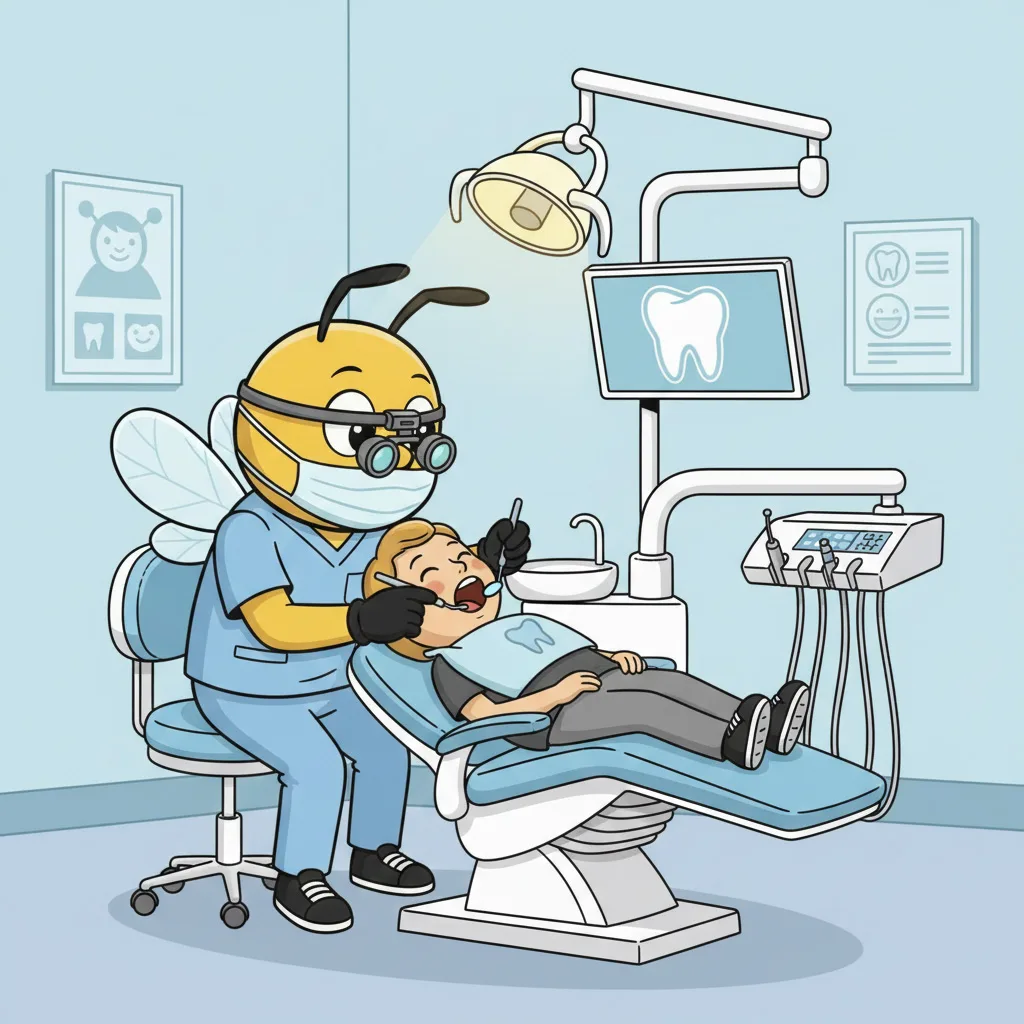
A dental operating microscope enlarges and illuminates the area a clinician is working on. That view can be useful when the task involves fine detail, such as examining small openings inside a tooth. The microscope supports the procedure; it does not decide which procedure is needed.
What microscopic dentistry adds
Magnification can make detail easier to see within the area visible to the clinician. Illumination helps bring light to that field. The operator adjusts the view to the task rather than simply using the highest possible magnification throughout an appointment.
The equipment does not see through an entire tooth or replace other records. Clinical tests, radiographs and the examination provide different information. A detailed view of one surface is not a complete diagnosis of the tooth or the supporting tissues.
Where it can be useful
Root canal treatment is an established application. The clinician works with small internal spaces and may need to locate openings or examine areas affected by previous treatment. Magnification can assist with selected tasks where visibility is challenging.
Other uses depend on the procedure and the provider. The important question is what detail the clinician needs to see and how the tool helps. A microscope should not be promoted as necessary for every filling or proof that treatment without it is inferior.
Microscopes, loupes and cameras
These tools have different roles. Magnifying loupes are worn by a clinician; an operating microscope is a separate instrument with its own viewing and lighting arrangement. An intraoral camera can show visible surfaces to help record or explain a finding.
They are not interchangeable simply because all can make a detail easier to view. Your provider selects tools for the procedure, their working method and the information required. Ask which is proposed if the equipment is part of the treatment discussion.
What greater visibility cannot promise
A tooth may still have structural limits, inaccessible anatomy or a condition that affects healing. Seeing a crack more clearly does not make the crack repairable. Locating a canal does not eliminate every source of uncertainty about the tooth's future.
The restoration after treatment also matters. A tooth that needs a final filling or crown still needs that step even when the internal procedure used magnification. Do not assume a technology removes the need for follow-up or protective restoration.
Questions for your appointment
Ask which part of the assessment or procedure benefits from the view. A concrete explanation is more useful than a general claim about precision. The answer may relate to anatomy, earlier work or a particular area the clinician needs to examine.
Equipment and professional qualifications are separate. The complexity of the case and available skills help determine whether referral is appropriate. Confirm who will perform the treatment and where it will take place.
The microscope is used by the clinician. Your experience still depends on the dental procedure, positioning, anaesthetic and comfort plan. Discuss difficulty keeping your mouth open or remaining in one position before treatment begins.
Ask what is included in the proposed care and whether another provider's assessment is needed. A device name on its own does not explain the total fee or number of visits.
Connect the tool to the treatment
Our microscope root canal page explains the service-specific decisions. The technology overview compares the roles of other records and tools.
Make room for the full assessment
A close view can answer a focused question while leaving another question unresolved. Ask the clinician to distinguish what has been seen directly from what is inferred from symptoms or other tests. Understanding that difference helps you compare the recommendation and its uncertainty. If a specialist opinion is advised, clarify which question the referral is intended to answer before the next appointment is arranged.
Contact Richardson to discuss an assessment and confirm the appropriate care arrangements.
Talk with the Richardson team
Tell us what you would like help with and ask about your next visit.
Call: (613) 829-5921
Address: 510 Richardson Ave, Ottawa, ON K2B 5H1