Dental Surgery in Ottawa

BluSky Dental Richardson

BluSky Bee

Hearing that you may need dental surgery can bring up practical questions as well as worries. What problem is the operation meant to solve? How will you be kept comfortable? Who will look after you afterward? A clear plan should answer those questions before the procedure is arranged.

Planning dental surgery in Ottawa

Dental surgery includes different procedures involving teeth, gums, bone and other oral tissues. The assessment identifies the problem first, then considers whether an operation is appropriate and who should provide it.

At BluSky Richardson, ask which parts of your care can be managed through the clinic and whether a referral is needed. The place of treatment, treating clinician and follow-up arrangements should be clear before you make plans for the day.

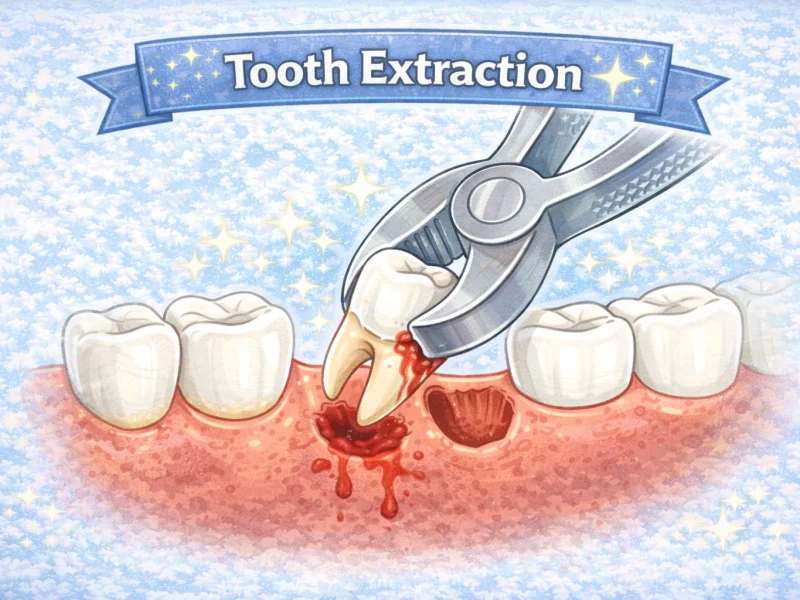
Illustration of a tooth extraction

Why surgery may be recommended

Removing a tooth

An extraction may be considered when a tooth cannot be predictably maintained or is causing another problem. The dentist should explain whether there is a reasonable way to keep it and what replacement, if any, may be needed afterward.

Preparing for or placing implants

Implant treatment may involve more than the placement appointment. A bone graft, healing stage or temporary replacement can change the sequence and the overall commitment.

Treating gum or supporting-tissue problems

Some periodontal problems need surgery after initial treatment and reassessment. The procedure depends on the pattern of disease or tissue concern. Cosmetic reshaping and disease treatment have different purposes even when both involve the gums.

Investigating a tissue change

A persistent or unusual lesion may need further assessment, referral or a sample for laboratory examination. The reason for the recommendation and how results will be communicated should be explained.

Your health history changes the plan

Bring an up-to-date medicine list, including supplements, and describe previous reactions to anaesthetic or sedation. Tell the clinician about bleeding problems, allergies, pregnancy, sleep apnea and conditions that affect healing.

Do not independently stop blood thinners, change diabetes medication or start preventive antibiotics. The dentist may need to coordinate with your prescribing clinician. Instructions should relate to your procedure and health history, not to a general checklist found online.

Comfort and preparation

Local anaesthetic and sedation serve different purposes. Numbing controls sensation in the treatment area; sedation may help manage anxiety or awareness when appropriate. The safest suitable approach depends on the procedure and your assessment.

If sedation is planned, obtain the exact preparation and discharge instructions ahead of time. Clarify food and drink restrictions, escort requirements, medication timing and how long you should avoid driving or other activities. Do not take an extra calming medicine without the treating provider's approval.

Plan practical support too. Depending on the operation, you may need softer foods, time away from strenuous activity or help getting home. Tell the team about caregiving duties or work constraints so you can discuss a realistic schedule.

Recovery is part of the treatment

Before leaving, make sure you understand how to clean the area, which medicines to use, what changes are expected and how to contact the treating team. Recovery instructions differ between an extraction, a graft and other operations.

Worsening pain, swelling or bleeding should be reported according to the instructions you receive. Breathing difficulty, trouble swallowing or rapidly spreading swelling needs urgent medical attention. Do not wait for a routine review if a serious symptom develops.

Follow-up may check the wound, remove sutures where needed or decide when the next treatment stage can proceed. Feeling better does not always mean an implant or graft is ready for loading.


Questions to settle before booking

  • What are the benefits, material risks and alternatives for this particular procedure?
  • Who is performing it, and where will the operation take place?
  • What does the estimate include, including follow-up and temporary work?
  • What support will I need on the day and during recovery?
  • Who should I contact if something concerns me after hours?

Book a Visit to discuss the next step in your care.

Talk with the Richardson team

Tell us what you would like help with and ask about your next visit.

Call: (613) 829-5921

Address: 510 Richardson Ave, Ottawa, ON K2B 5H1