Emergency Dental Care Ottawa: What It Involves
BluSky Dental Richardson

Emergency dentistry assesses a dental problem that needs prompt attention, such as significant pain, infection or an injury. The visit focuses on identifying the cause and deciding what needs to happen now.
At BluSky Dental Richardson, describing the problem clearly helps the team understand the urgency. An online request is not a substitute for a phone call when symptoms are severe or changing quickly.
Emergency Dental Care in Ottawa
Some urgent visits deal with a problem that developed suddenly. Others address an existing tooth or restoration that has become painful, swollen or unstable.
The urgency depends on the findings and warning signs, not just how long you have lived with the tooth. A longstanding problem can become urgent, while a small painless chip may allow a different appointment plan.
Call (613) 829-5921 to discuss your symptoms. The team can advise on arrangements without promising that every concern will receive the same appointment or procedure.
What Assessment Involves
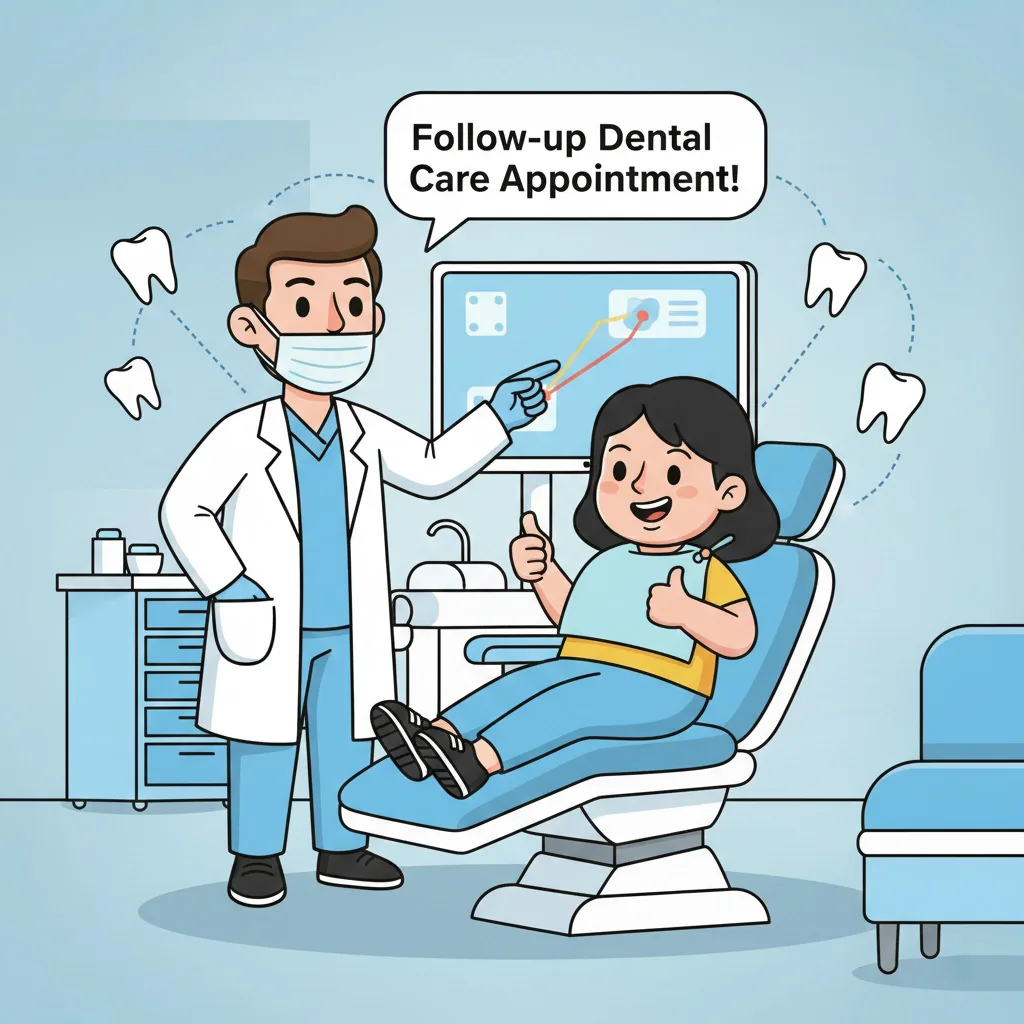
The dentist reviews the history, examines the affected area and considers relevant tests or imaging. They need to distinguish the source of the pain from other possibilities before recommending treatment.
You may be asked when symptoms started, whether pain is triggered by biting or temperature, and whether swelling or fever is present. Mention injuries, recent treatment and medications taken for the problem.
If a tooth or restoration has come out, bring it in a safe container. Records from another recent visit may also help.
Stabilization and Definitive Treatment
The treatment that helps immediately is not always the final repair. A temporary restoration, initial management of infection or protection of an injured tooth may be followed by further appointments.
Ask what today's treatment is intended to achieve and what remains unresolved. If a referral is needed, clarify who will arrange it and what to do while waiting.
The recommendation could involve restoring a tooth, root canal treatment, extraction or another approach. The diagnosis determines the options, rather than the label “emergency.”
When Medical Emergency Care Is Needed
Difficulty breathing or swallowing, rapidly increasing facial or neck swelling, uncontrolled heavy bleeding or serious trauma needs emergency medical attention. Call 911 when appropriate instead of waiting for a dental callback.
A hospital can address serious medical complications, but further dental treatment may still be necessary. Make sure the dental source is followed up after immediate medical care.
Information Before a Treatment Decision
Ask which options address the immediate problem and how they affect later choices. When more than one reasonable approach exists, you should understand the main tradeoffs before proceeding.
Urgency can limit how long a problem should wait, but it does not eliminate the need for an explanation, consent and a clear account of the next steps.
Plan Beyond Pain Relief
Pain becoming less intense does not prove that the problem has healed. Keep the recommended review and complete the treatment plan, or contact the clinician to discuss a change.
Before leaving, confirm the written instructions, medication advice if applicable and the route for help if symptoms worsen. Ask about the estimate for later stages so you can plan without confusing temporary care with completion.
See common dental emergencies for practical first steps and contact Richardson for clinic details.
Talk with the Richardson team
Tell us what you would like help with and ask about your next visit.
Call: (613) 829-5921
Address: 510 Richardson Ave, Ottawa, ON K2B 5H1