
Senior Dentistry in Ottawa
BluSky Dental Richardson

Keeping comfortable, useful teeth matters at every age. Later-life dental care may involve managing existing restorations, changes in health or a routine that has become harder to perform. The goal is a plan that fits the person, not a standard set of treatments based on a birthday.
Planning senior dentistry in Ottawa
At BluSky Richardson, start with what is affecting daily life. Perhaps chewing has become difficult, a denture moves, a medication leaves your mouth dry or a hand problem makes cleaning awkward. These details help the clinician focus on the most useful changes.
Bring an updated medicine list and mention recent changes in your health. With your consent, a caregiver can help share information and understand the plan. You should remain involved in decisions to the extent you wish and are able.
Dry mouth deserves attention
Persistent dryness is not simply an inevitable part of getting older. Medicines and health conditions can contribute, and reduced saliva can affect comfort, decay risk and denture wear.
Tell the dentist when it occurs and whether it makes speaking, eating or sleeping difficult. The plan may include reviewing causes, preventive care and ways to relieve symptoms. Do not stop a prescribed medicine on your own; a discussion with the prescribing clinician may be appropriate.
Our dry mouth information explains the concern in more detail.
Caring for natural teeth and restorations
Gum recession can expose root surfaces, and older fillings or crowns may need review. That does not mean every longstanding restoration should be replaced. The dentist checks condition, function and whether monitoring or a smaller repair is reasonable.
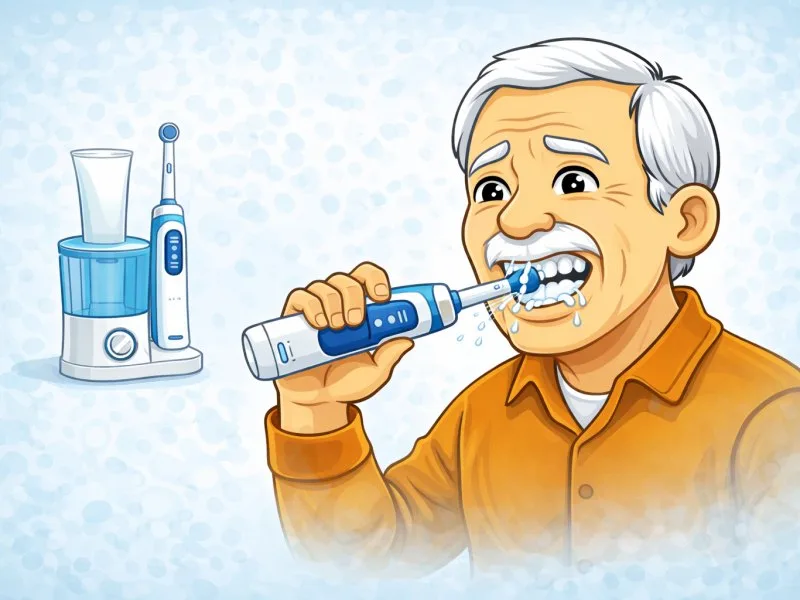
Gum health remains important around natural teeth and implants. Ask for cleaning advice that fits your hands, vision and mouth. A larger handle, powered brush or suitable interdental aid may make a routine easier; the best choice is one you can use effectively.
When chewing or denture fit changes
Avoiding certain foods may be a sign that something needs adjustment. A loose or sore denture can affect meals and confidence. Do not assume discomfort must be tolerated because the appliance is old or because few natural teeth remain.
The clinician can assess whether repair, relining, replacement or another option is appropriate. Dentures and implant options have different care requirements, and suitability depends on more than age alone.
Even without natural teeth, oral tissues need examination. Persistent sores, lumps or colour changes should be reviewed rather than repeatedly covered with adhesive or dismissed as rubbing.
A treatment plan you can maintain
Consider the practical work required after treatment. A technically possible restoration may not be the best fit if it cannot be cleaned or handled reliably. Ask the clinician to demonstrate the expected routine before making the decision.
Discuss priorities such as comfort, retaining useful teeth, simpler maintenance or reducing repeated visits. A plan may be staged, and alternatives may differ in cost and complexity. These preferences deserve attention alongside the clinical findings.
Support before and during appointments
Tell the team about mobility, hearing, vision, communication or positioning needs before the visit. Explain what would help, and ask which arrangements can be provided. Do not assume access details or assistance are identical in every clinic.
If someone helps with appointments or finances, clarify what information you want shared. Caregiver involvement should make care easier while respecting the patient's role and preferences.
Questions about this treatment
Yes. The clinician checks the fit, supporting tissues and other areas of the mouth. A denture does not replace those reviews.
Not automatically. Diagnosis, restorability and your priorities guide the options. Ask about reasonable ways to retain a useful tooth as well as the implications of removal.
The Canadian Dental Care Plan has eligibility and coverage rules. Age alone does not establish qualification or mean all treatment is paid in full.
Book a Visit to discuss care that works for your daily life.
Talk with the Richardson team
Tell us what you would like help with and ask about your next visit.
Call: (613) 829-5921
Address: 510 Richardson Ave, Ottawa, ON K2B 5H1